Across England, our Beacon Schools and alumni have marked Holocaust Memorial Day with purpose, integrity and innovation, resulting in thoughtful, creative and deeply human responses to the 2026 Bridging Generations theme. Across a range of educational settings, geography and demographics, schools, Lead Teachers and SLT Leads have found stage appropriate, research-informed ways to deepen and enrich knowledge and understanding, helping learner encounter personal stories and testimony, wrestle with complexity and hold together both education and commemoration in ways that honour the past while speaking meaningfully to the present. The gallery below offers just a glimpse of what is possible when young people are supported and empowered to engage with this history with dignity, critical thinking, reflection, respect and empathy.
Click on each thumbnail to see the full-sized image:
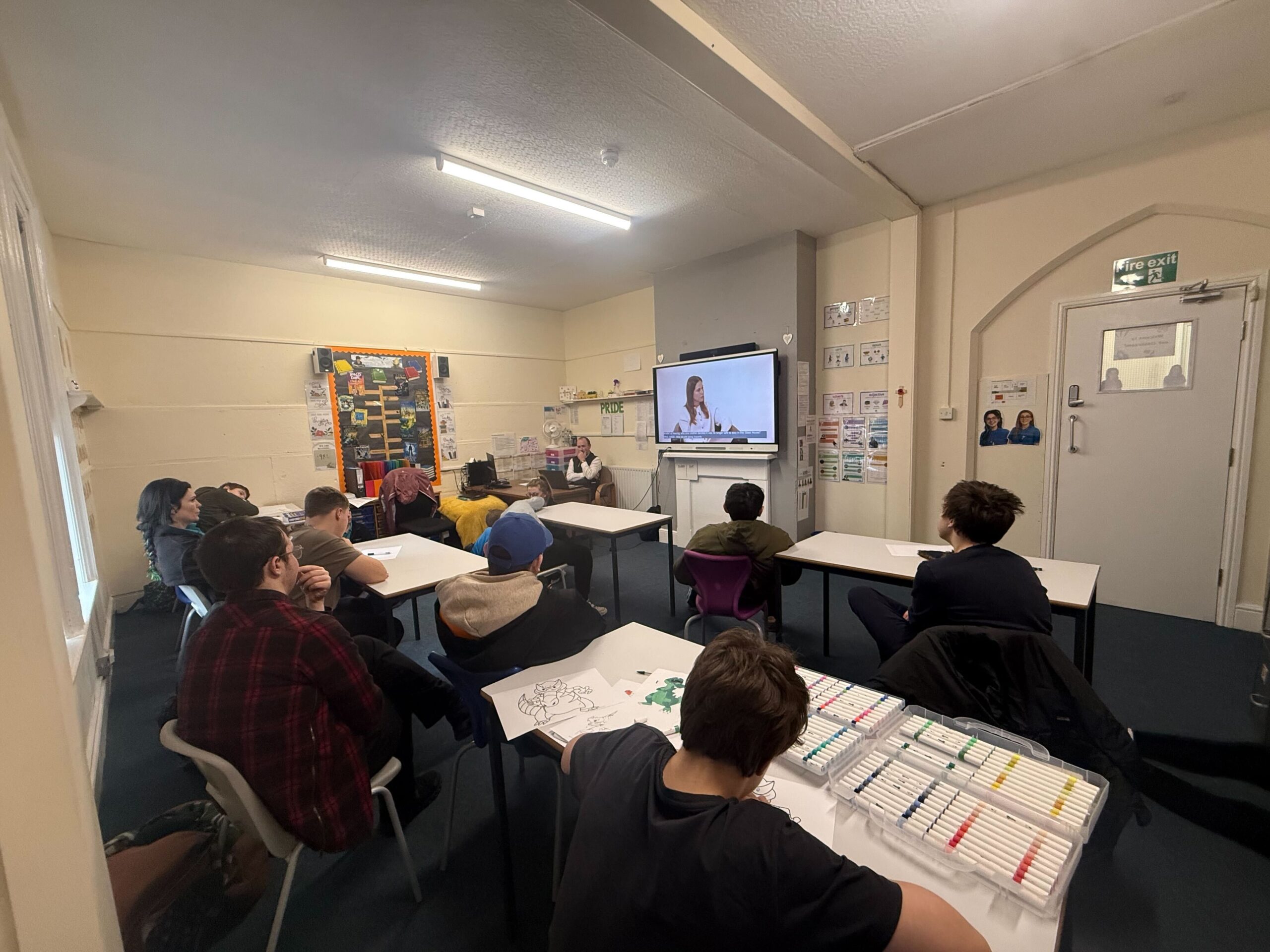
Demeter House Learners watched a webcast interview with a Holocaust survivor and all lesson leads (inc. English, Maths and Science) incorporated an activity with a Holocaust focus into lessons across the week. |
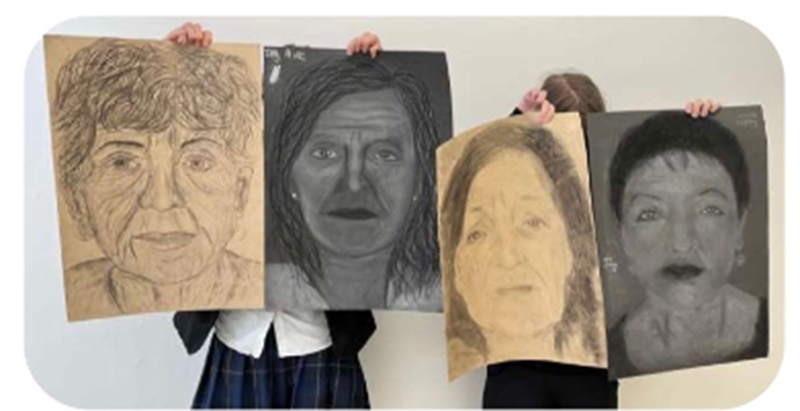
Art and creativity In some schools Holocaust Memorial Day enabled students to reflect upon their learning through the arts and their creativity, such as at Torpoint Community College where Year 8 students had been working, inspired by artists such as David Kassan and Martin Schoeller, in portraiture work of Holocaust survivors. |
School’s newsletters and communications Although cautious to pre-publicise specifics regard their HMD plans, many were keen to showcase and share with parents and their wider community how the school marked HMD in the days that followed: At Malet Lambert a special edition of the newsletter focused on HMD, sharing examples of how HMD had been marked across January, and similar features at Torpoint Community College and other schools and MATs. |
|
Leadership, collaboration, local partnerships and media comms Some schools leadership, outward facing spirit, willingness to share and collaborate, desire to build local connections and be a ‘beacon’ for others through their media and comms enriched their marking of HMD and spoke of their commitment to innovate and meaningful T&L experience for young people. And, in the case of Healing Academy a short film spoke powerfully of their work. |
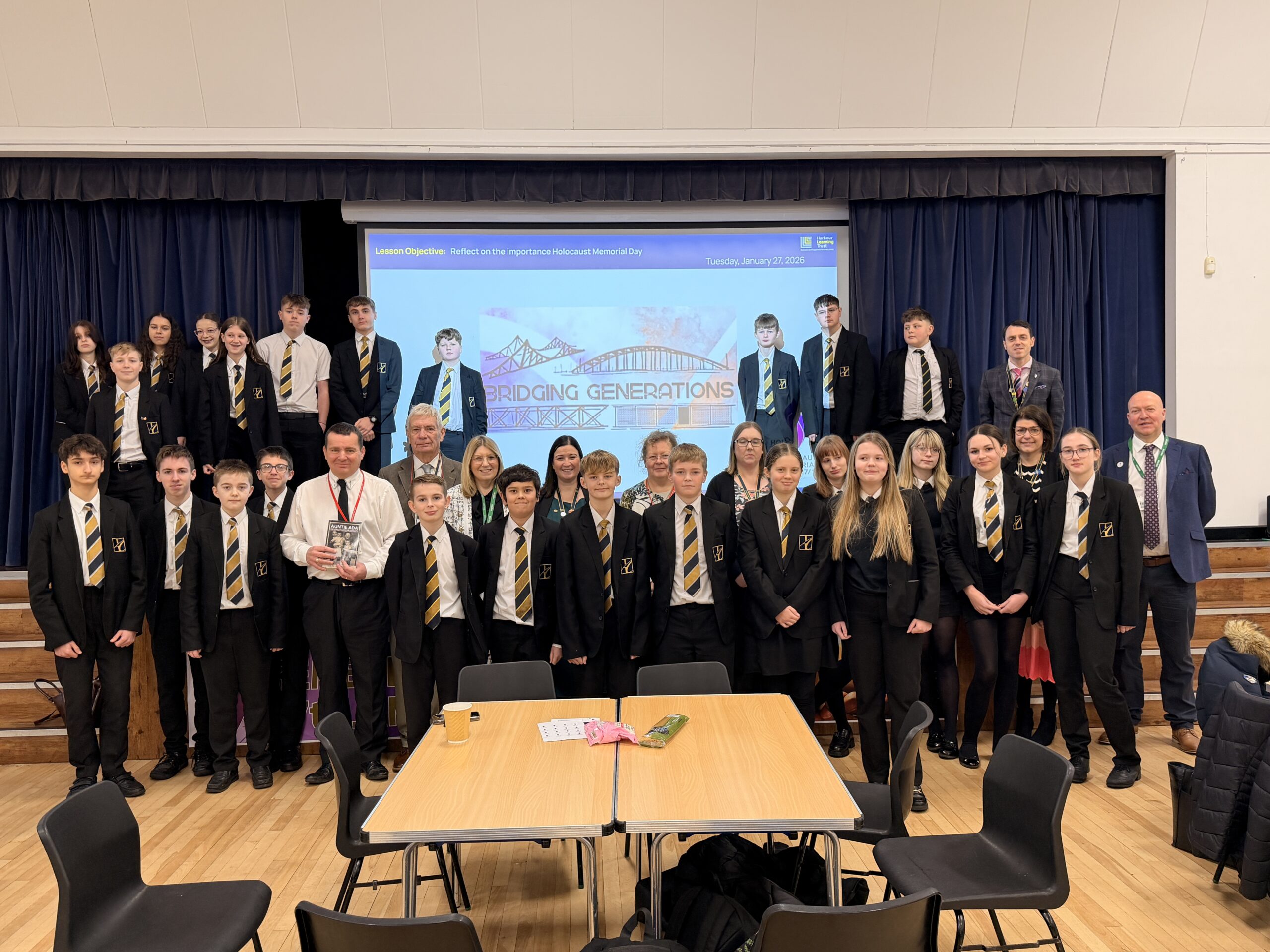
Healing Academy A student workshop allowed deep engagement and reflection with a local dimension, with Ian Judson welcomed to share the incredible story of Auntie Ada, and work recognised by local education authority representatives. |
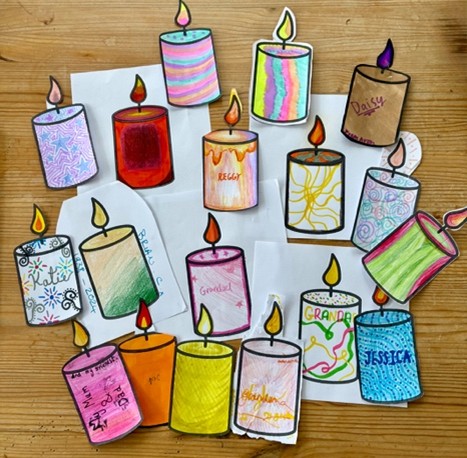
St Laurence School Yr12 and 9 student ambassadors put together a tutor activity and briefing to share HtFMeUs learning about the Clein family. Each student in every tutor group was given a candle template and asked to decorate it to remember someone. |
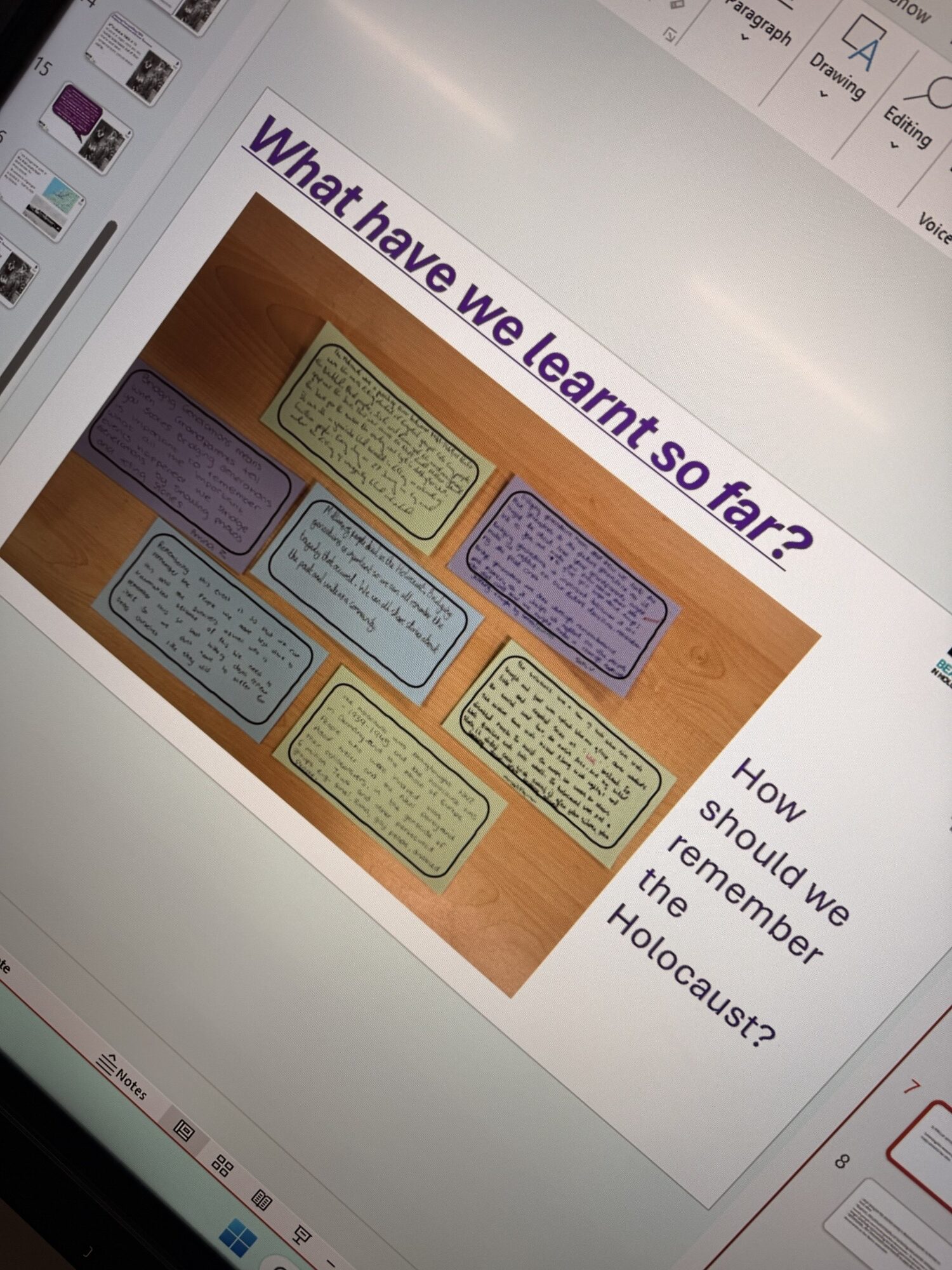
Manchester Enterprise Academy Pupils applied their learning from HMD assemblies, lessons, SMSC, MEA Reads: ‘When we flew away’ and Speak Up: Resistance when reflecting using these visual bricks and thereby bridging generations in a display that will represent their whole community. |
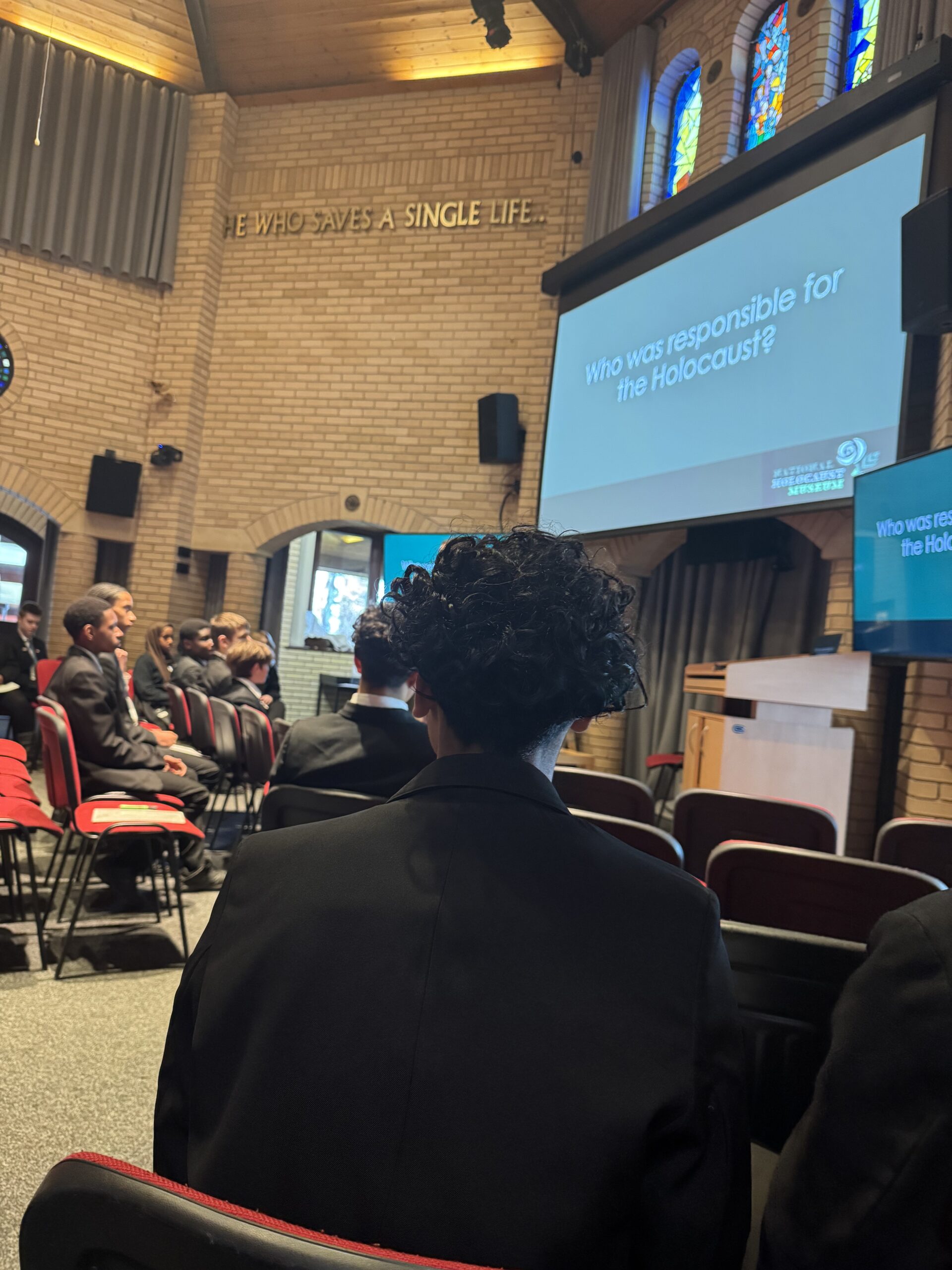
Hinde House 2-16 Academy Among the components of Hinde Houses’ comprehensive marking of HMD were scheduled visits to the National Holocaust Centre and Museum at Laxton. |
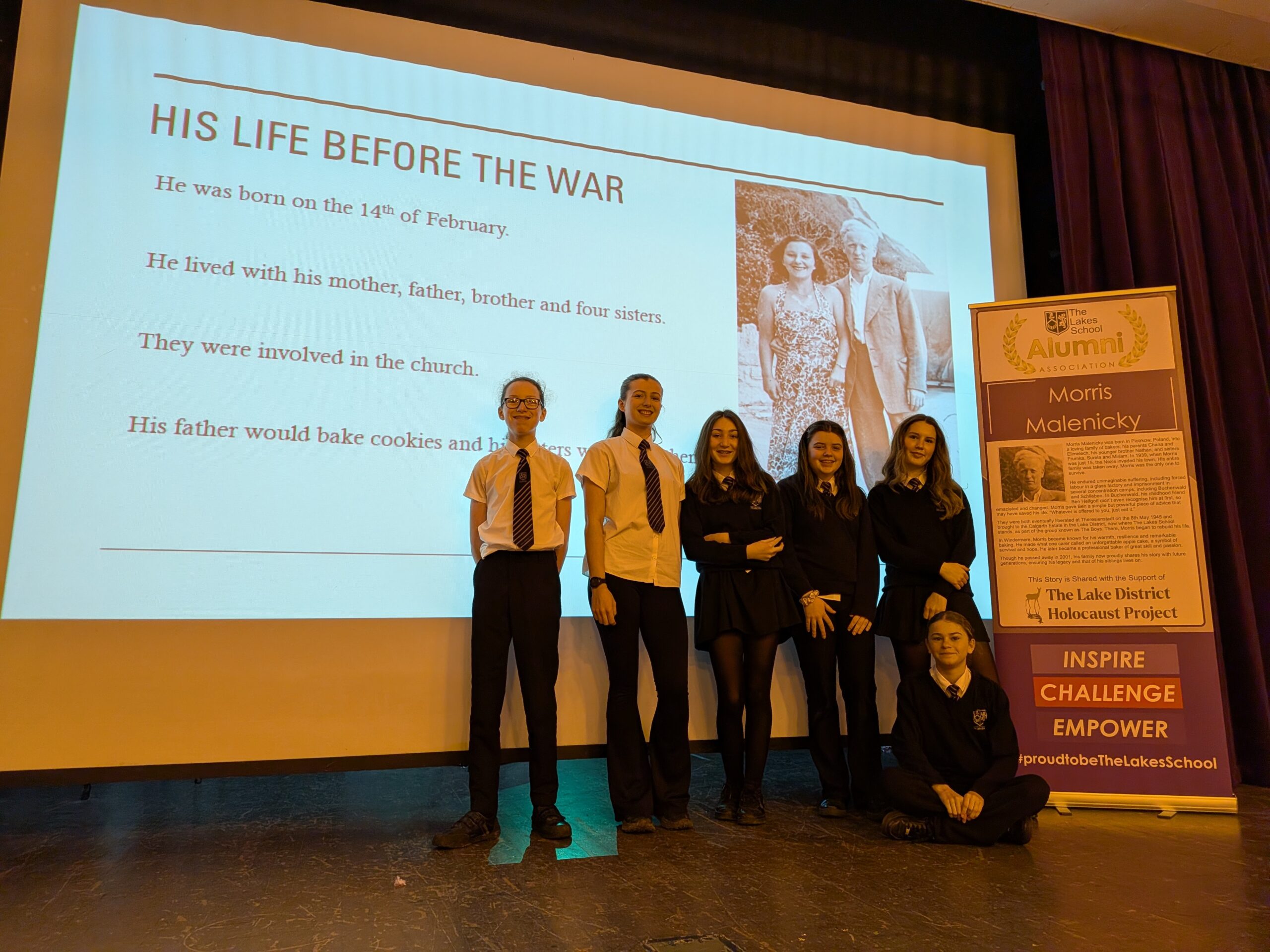
The Lakes School Student leadership and local connection was at the heart of HMD at Windermere, with #HtFMeUs participants sharing their learning about Morris with peers, and sharing the story of their Garden and their partnership with Trinity Catholic School |
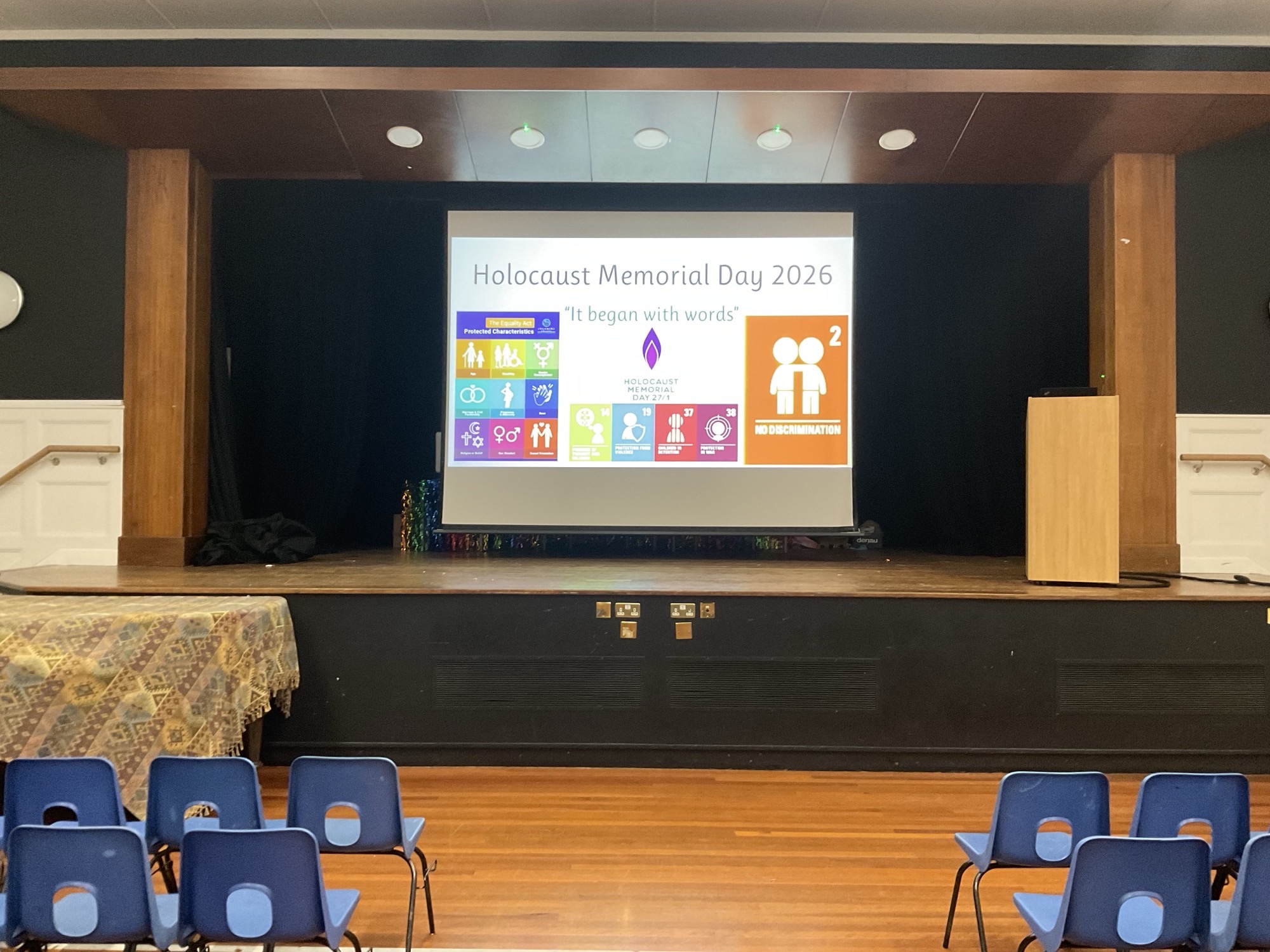
Swanmore College Combining Beacon School commitments and work as a UNICEF rights respecting school, with a real focus on the UNRCR, students reflected following assemblies by History Dept, reflecting on the power of words, insights by Robert Rinder, and responses will form a display. |
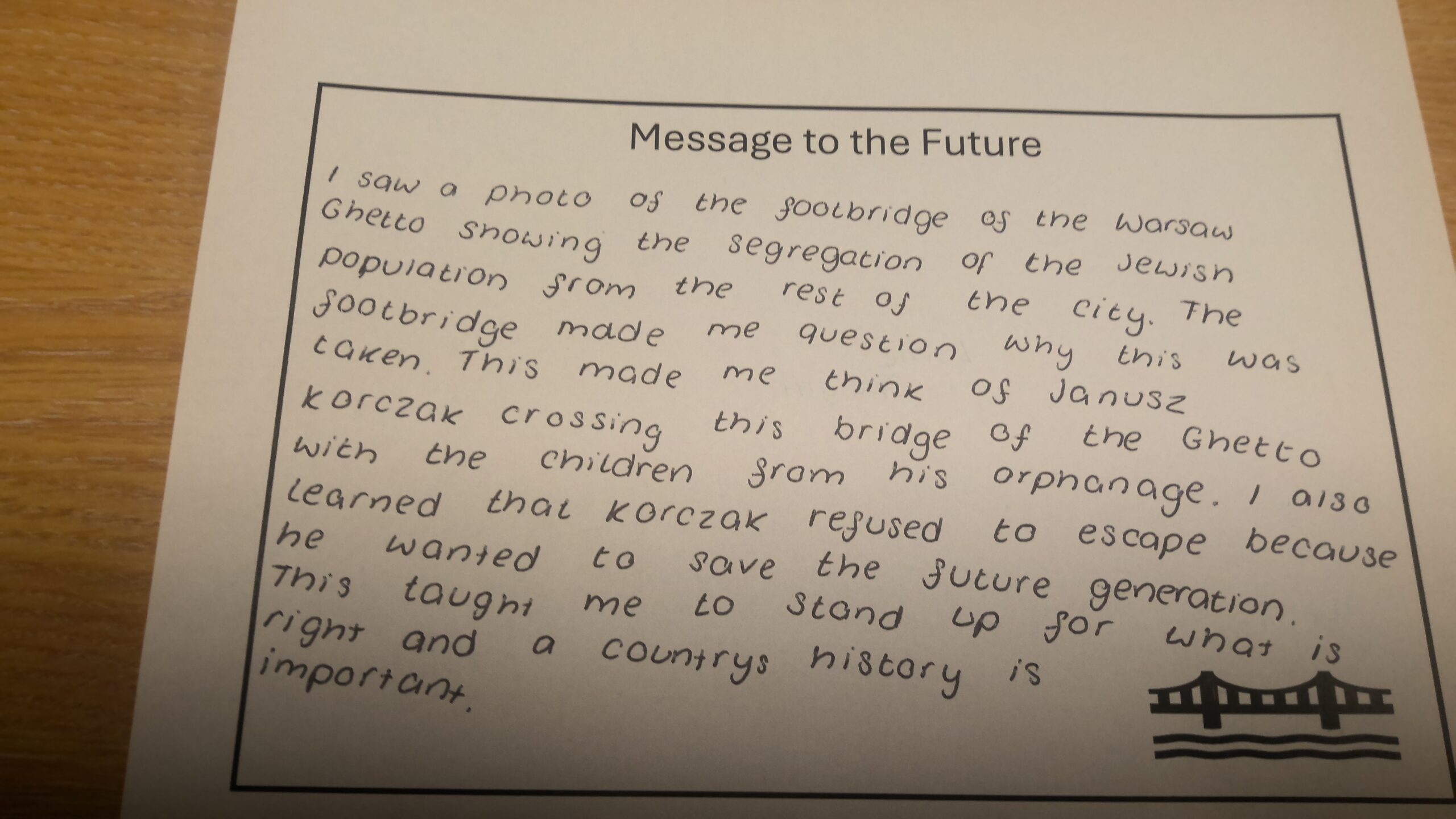
All Saints Church of England School Drawing on Centre materials to explore stories of Leon Greenman and Janusz Korczak, learners reflected on how we can use these stories to ‘Bridge the Generations’. As an academy HMD was recognised as an opportunity to continue working together to light the darkness, developing our roles as advocates for all who suffer injustice with messages to the future. |
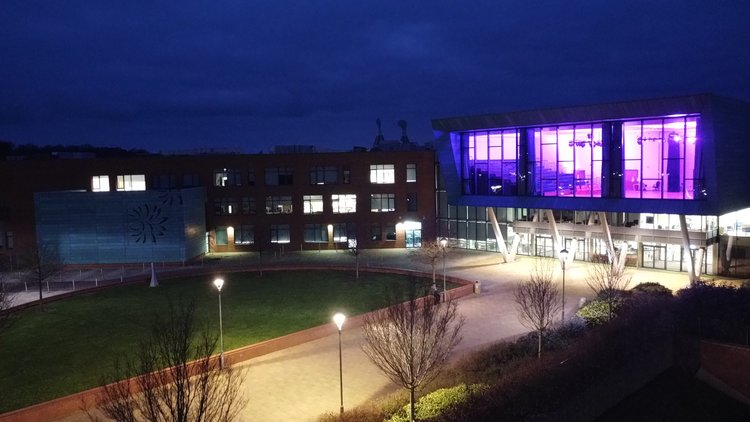
Highfields School The school took being a Beacon School literally and symbolically when joining the Light the Darkness and lighting the school up purple, whilst in assemblies, student engagement with #HtFMeUs project was championed, reminders to help students recognise and challenge antisemitism and all forms of hate and tools to bridge generations. |
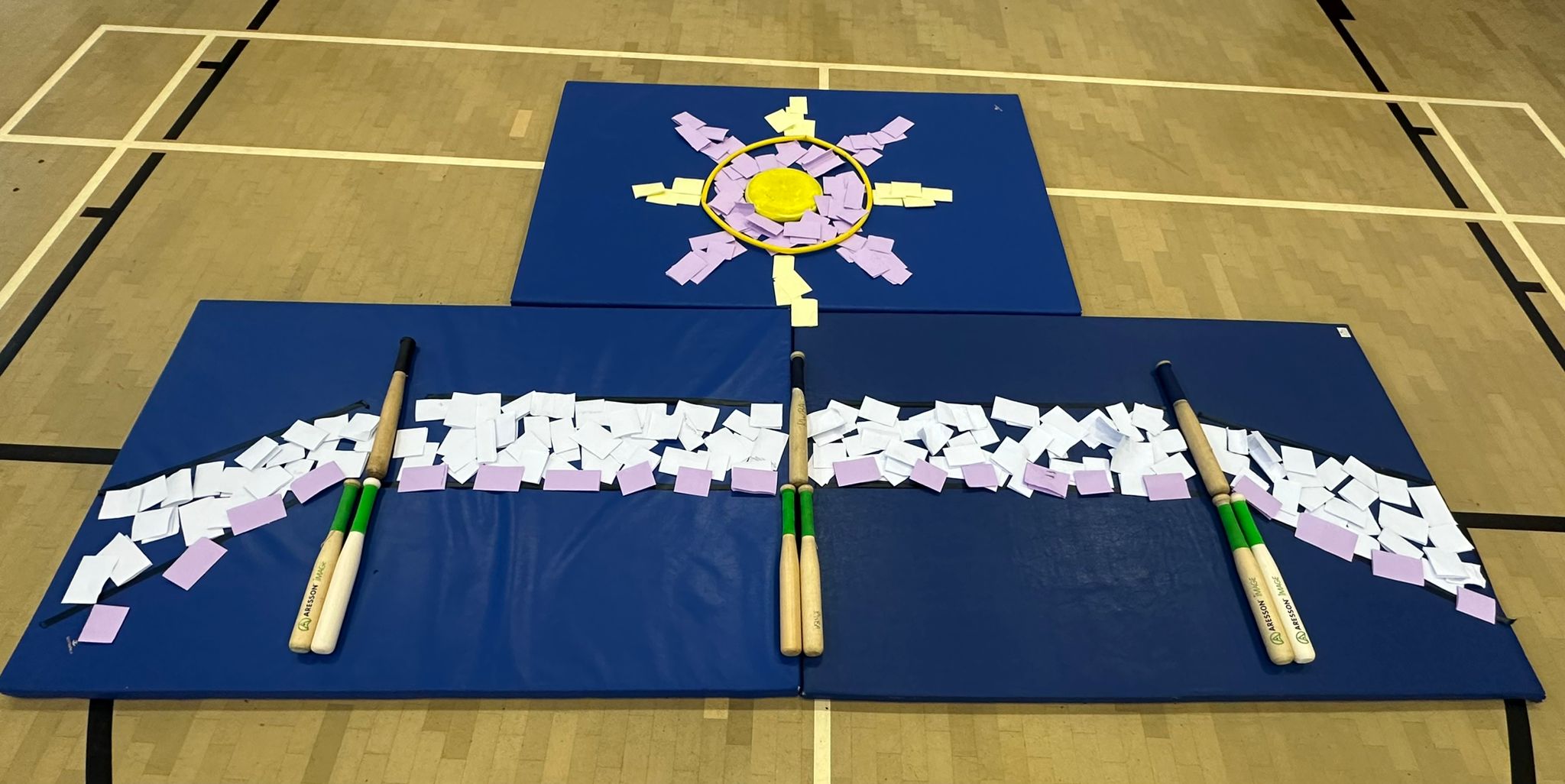
Royal Wootton Bassett Academy With a whole school assembly, subject ‘activate’ HMD stimuli and bespoke ilearn materials for Yrs7-13, personal stories, lived experiences and understanding of second and third generation at its heart, a week of activities marked HMD in light touch but meaningful and regular engagements- including Yr 8 working in their PE lessons to reflect on power of sport, and building a bridge of values and pledges. |
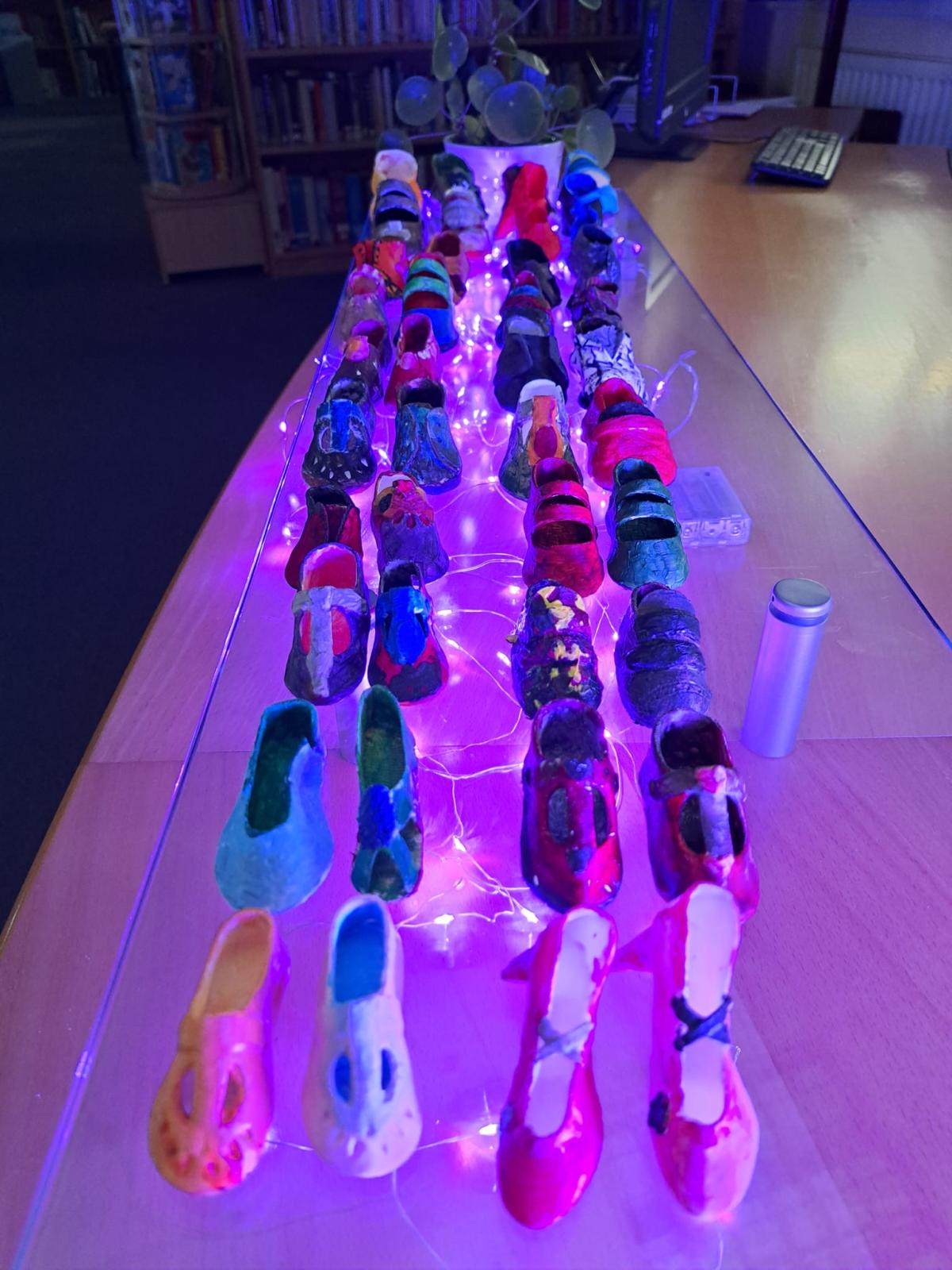
Trinity Catholic School Whilst assemblies, #HtFMeUs engagement and the lighting up of their memorial garden has become integral to annual commemorations, the latest ‘Shoes’- part of the ‘In their Footsteps’ project, took centre stage, in school and with a portion of the Trinity shoes on display at Westminster.
|
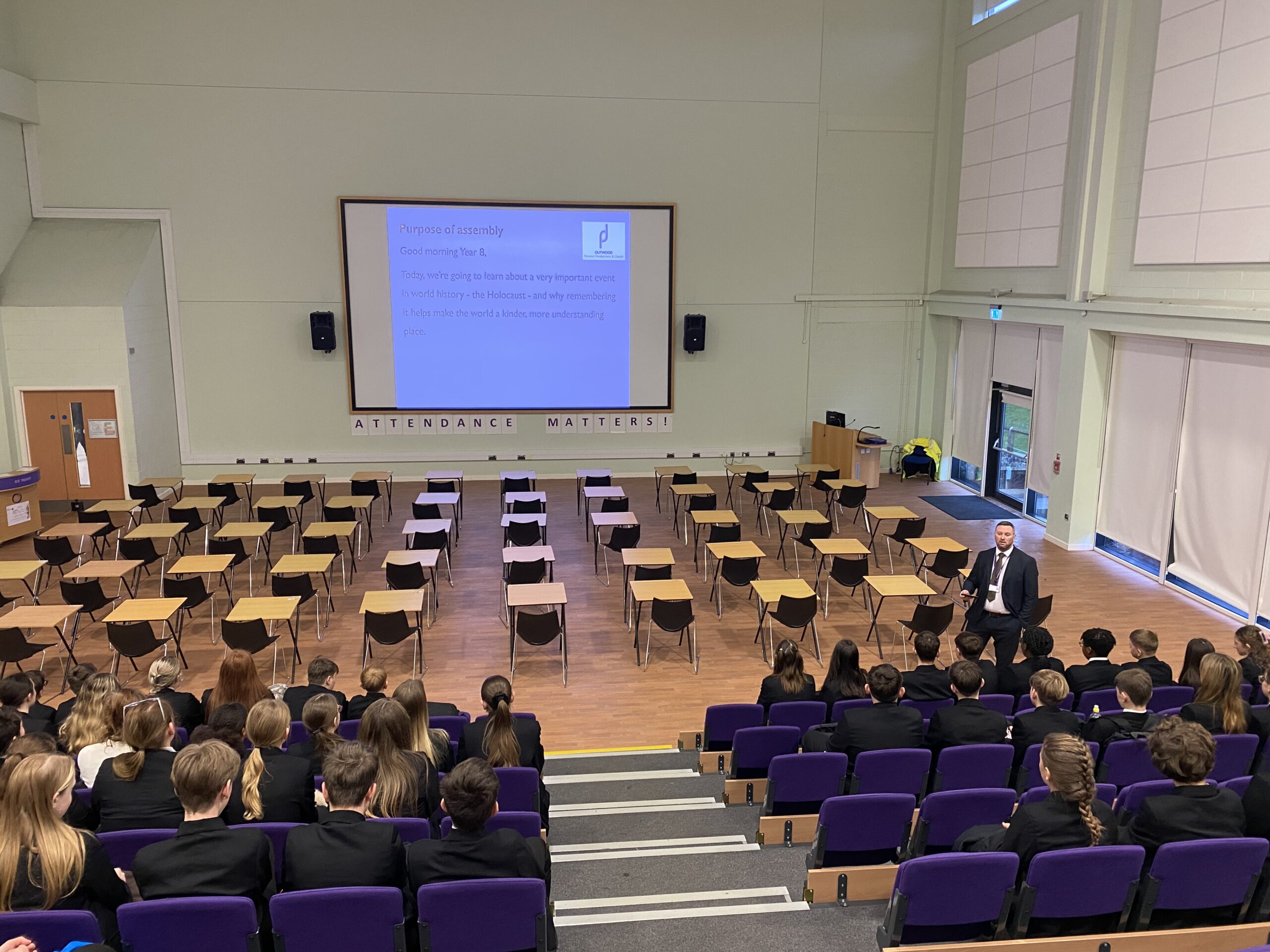
Outwood Academy Adwick Across the Trust, OGAT recognise the importance of understanding the significance of the Holocaust, so the aim of assemblies aimed to shine a light on the legacy of the Holocaust and why it is important to recognise atrocities that continue across the world, and specifically genocides in Cambodia, Rwanda and Darfur. |
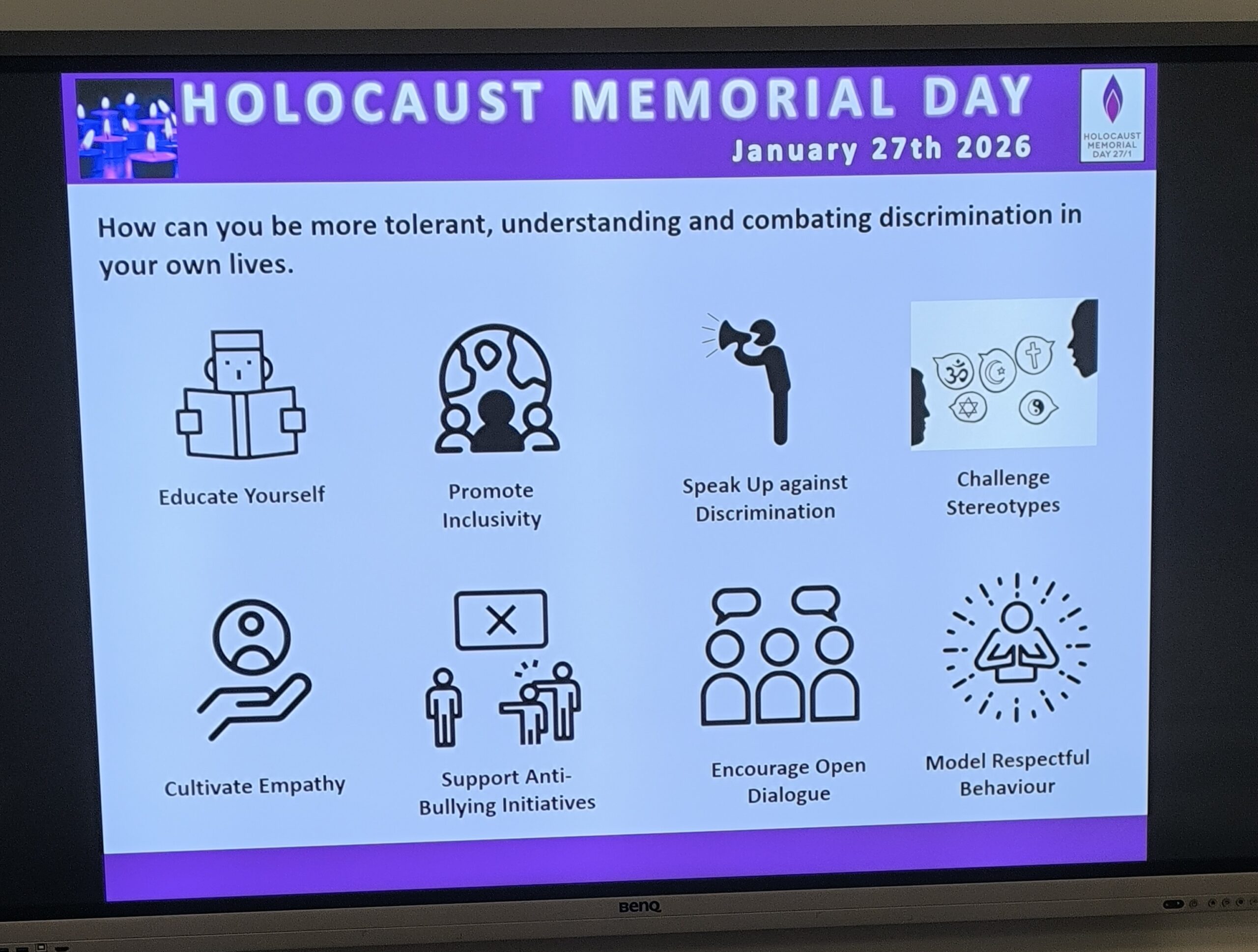
Skegness Academy Across the academy, students and staff came together to learn and reflect through tutor time assemblies, and with Centre resources, drawing on personal stories of victims and survivors of the Holocaust and of Nazi persecution. Much thinking and discussion centred around personal development and civics. |
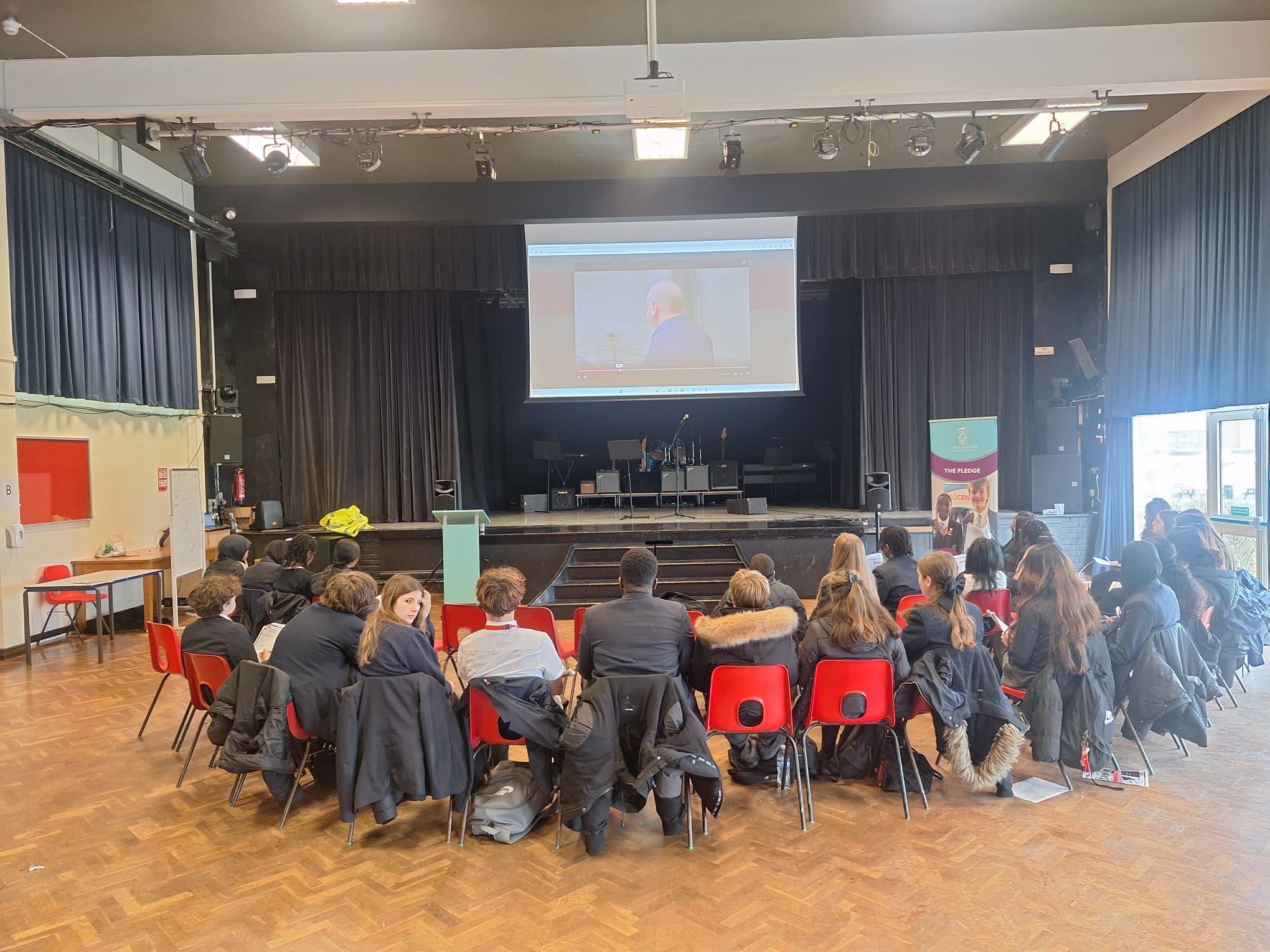
Lawn Manor Academy Each year group assembly was HMD focused across the week, with Yr7 welcoming Centre’s Nic Wetherall for an extended interactive assembly. In ilearn work reflecting on the life and legacy of Leon Greenman was well underway, and 30+ students embarked on the #HtFMeUs project and participated in a workshop day designed to apply learning about Bernie and the Federmann’s to bridging generations.
|
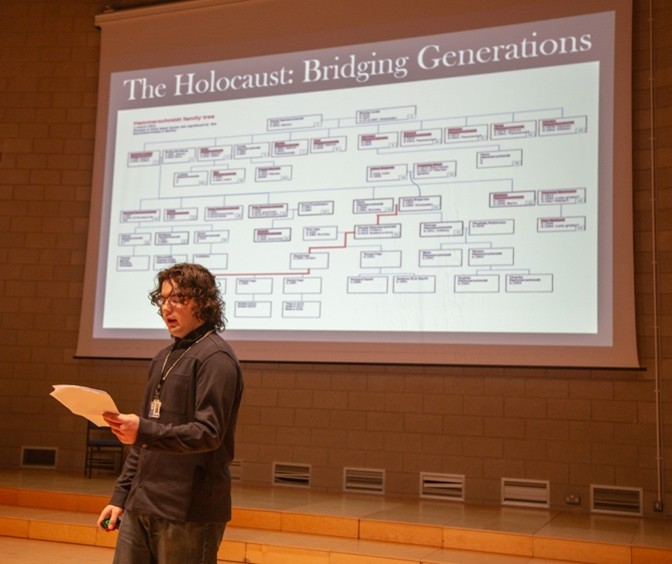
St Laurence School A pleasing feature of many schools marking HMD was the leadership, ambassadorial roles young people were taking: whether sharing their LFA experiences, participating in local council or MAT commemorative events, designing activities for peers based on #HtFMeUs, ‘My Hometown’ or other initiatives, or, as at St Laurence School, sharing a direct family connection and personal story – this is student voice, oracy and engagement in action and an example of bridging generations. |
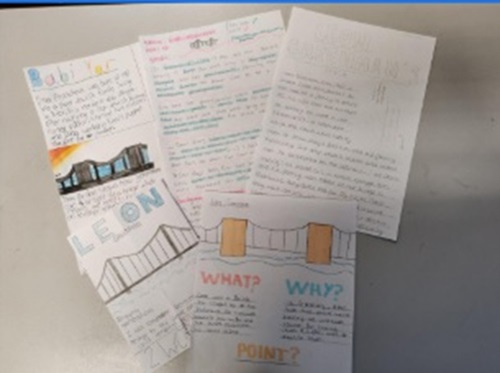
Malet Lambert School Informed, inspired and engaged by assemblies and tutor and curriculum contributions, learners produced a range of memorial stones, art and written work responses to the HMD, including the Kinder story of Bob Rosner, who arrived in Hull in June 1939, thus bridging generations with local interest. |
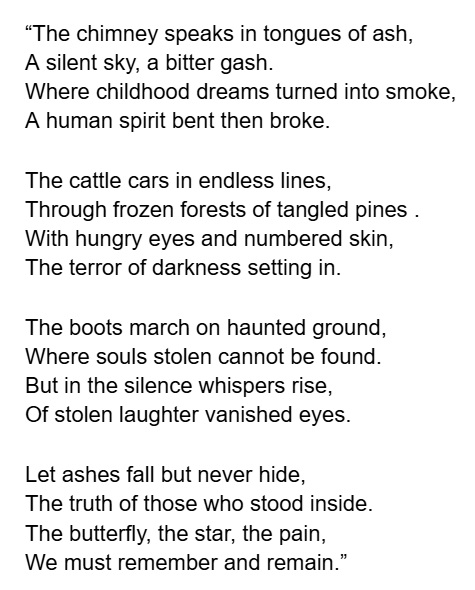
Poetry and creative writing to bridge generations In many schools HMD was something that could inspire and support efforts to enhance literacy, reading, oracy and writing, often taking the form of providing students opportunities to find their voice and reflect through poetry. An excellent example of this Malet Lambert’s winning poem from their HMD poetry competition, which will feature on the cover a special newsletter edition. |
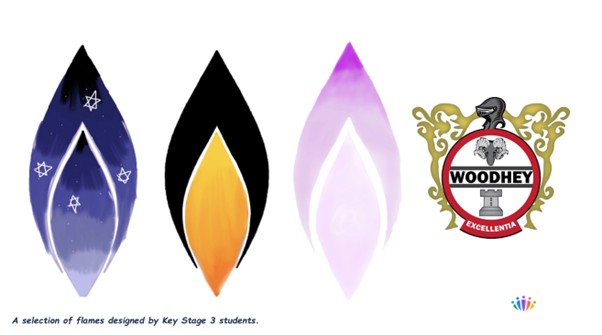
Woodhey High School Across HMD week, a dedicated series of lessons across the humanities faculty, a drop-down day across all subjects on Tuesday, assemblies, the launch of our #HTFMEUS group, and a speech given by two Yr10s at Bury’s Holocaust Memorial event, was just a flavour of the multi-layered provision offered. Among the outcomes, memorial flames designed by KS3 learners. |
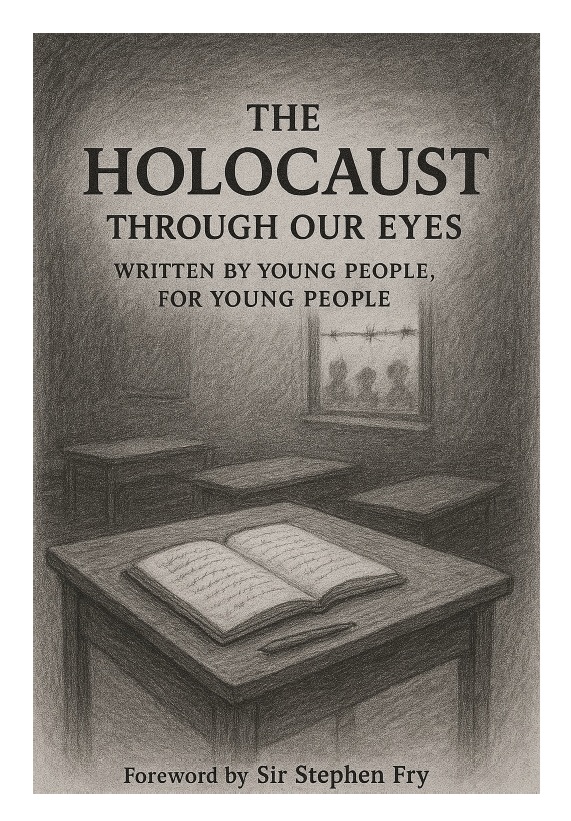
Hampton School HMD has again proven an opportunity for schools’ collaboration and partnership, whether that be within a MAT or, as with ‘The Holocaust Through Our Eyes’ lead by Hampton School, with Yr12-13 students in schools across the local borough. With a Foreword by Sir Stephen Fry, this outcome bridges generations, as a book about the Holocaust, written by young people, for young people. |
Survivor stories and testimony to bridge generations A key feature of schools HMD engagement was humanising the history through person story. Whether through Centre materials focusing on Leon, Janusz and Laura, exploring local connections, written, audio or visual testimony recording or accessing live stream opportunities or in person – these encounters were rich in learning and experience, and in latter case a time-limited privilege, as was case with Hampton School’s chance to meet and share survivor Hans Danziger’s story, or Lakes Schools’ commitment to sharing ‘the Boys’ story. |
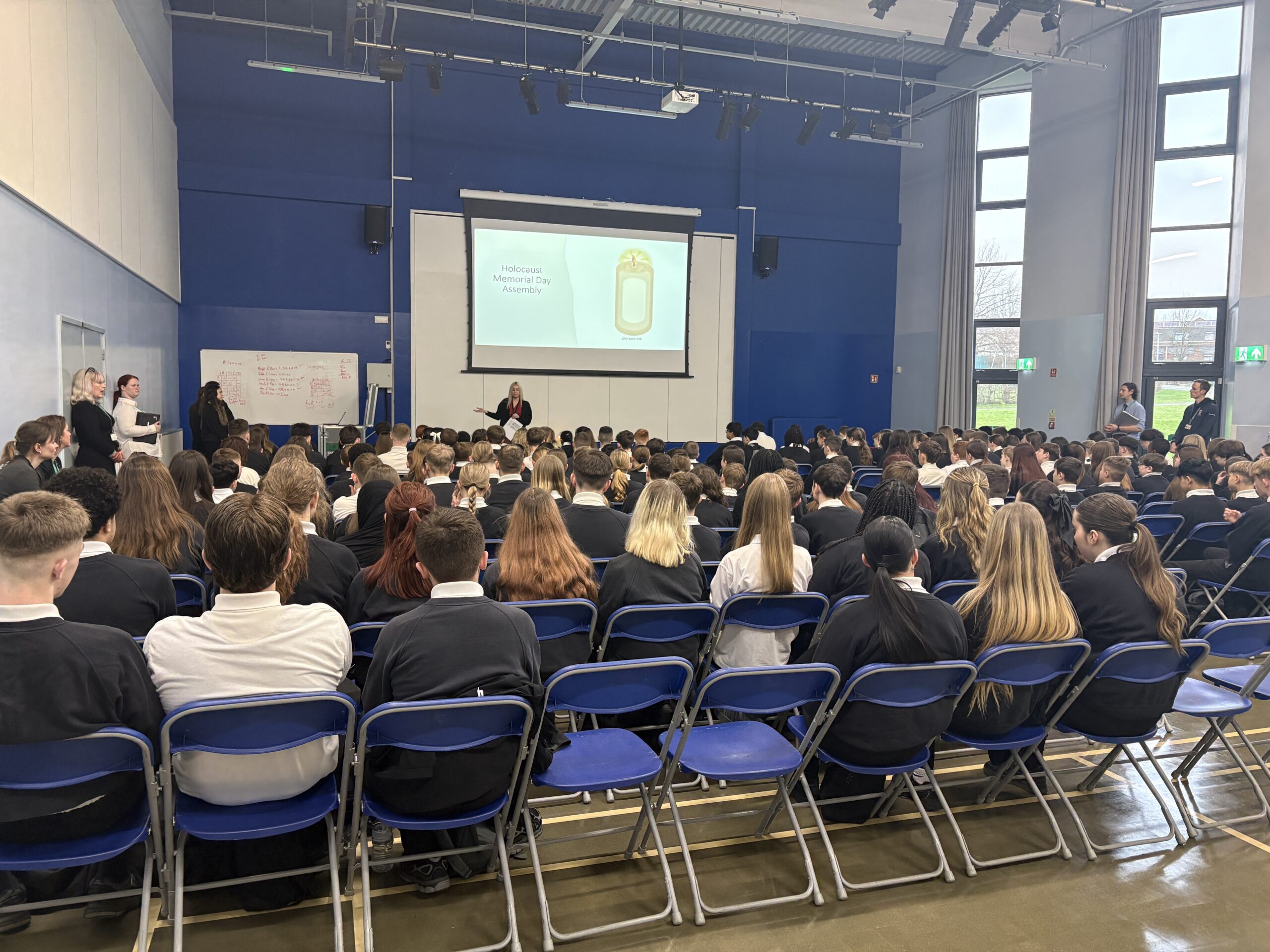
Bedminster Down School Yr10 students played a key role delivering HMD assemblies to peers. They are participating in a Genocide Awareness Project group, and by using their voice, drawing upon their research and learning they focused on ‘being a light in the darkness’, showing how the Holocaust began not with violence, but with words, with stereotypes, prejudice and silence. Students powerfully led remembrance but also shared a message that now more than ever it is important to challenge hate. |
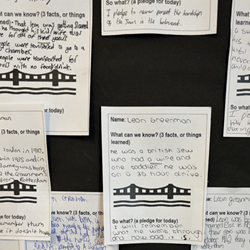
Torpoint Community College Alongside ‘Bridging Generations’ assemblies, all KS3 History classes completed a dedicated one-off lesson using Centre HMD resources, which prompted thoughtful student ‘Bridging Pledges’, whilst in English, Yr 7 students took part in the National Literacy Trust’s live event featuring author Tom Palmer in conversation with Holocaust survivor Ruth Barnett, exploring her experience of escape to Britain via the Kindertransport. |
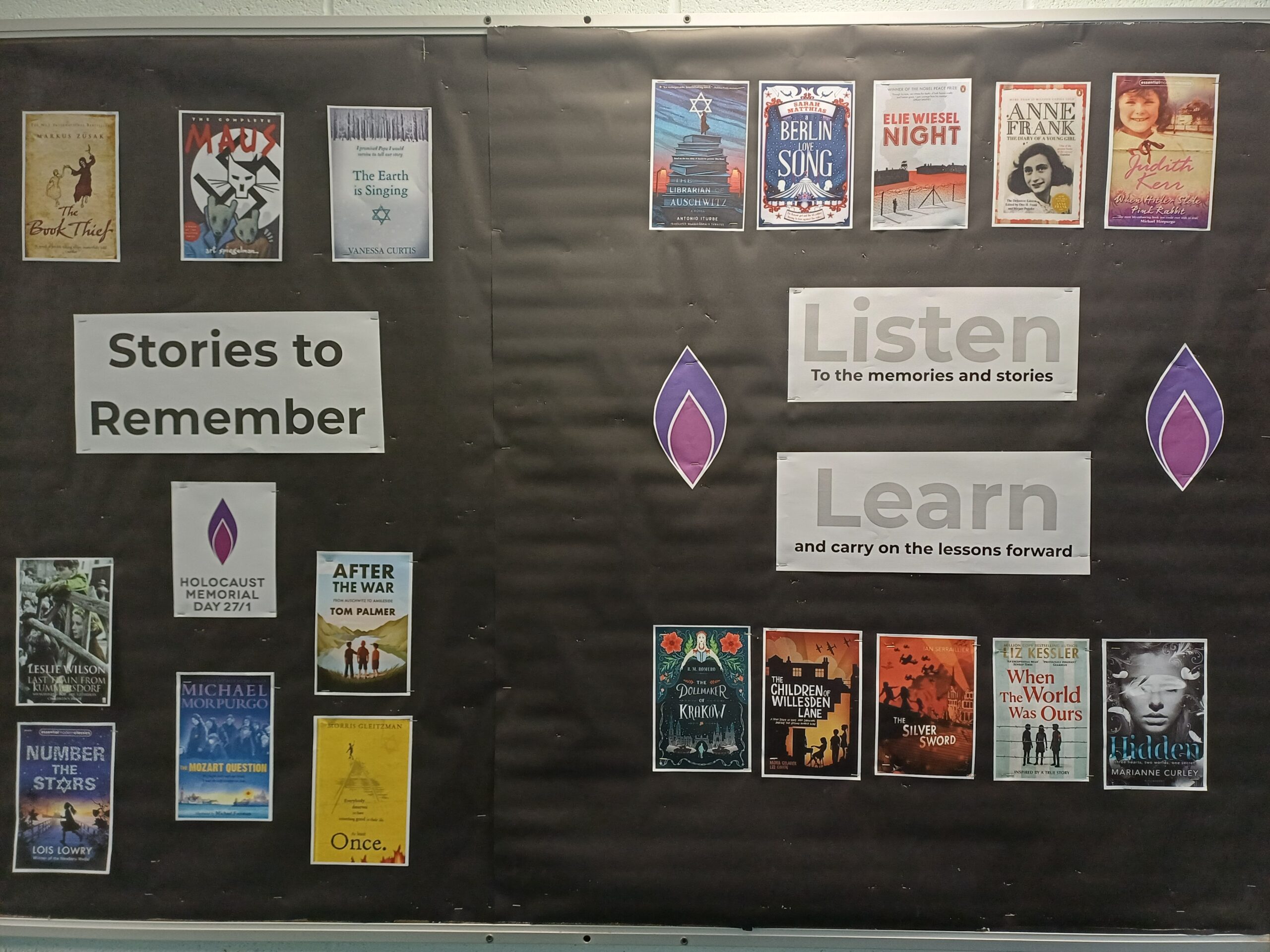
Displays and visual cues Across many Beacon Schools, Holocaust Memorial Day has inspired collaborative displays that bring together students’ reflections, disciplinary lenses and creative responses, visual touchpoints that inform and inspire, raise awareness for staff, students, and visitors alike: creating learning and commemorative spaces that speak quietly but powerfully to a schools’ culture and values. We have seen and heard of examples at RWBA and its library, literacy and reading links, or at TCC, St Laurence and more. |
Demeter House Learners watched a webcast interview with a Holocaust survivor and all lesson leads (inc. English, Maths and Science) incorporated an activity with a Holocaust focus into lessons across the week. |